01 ✿
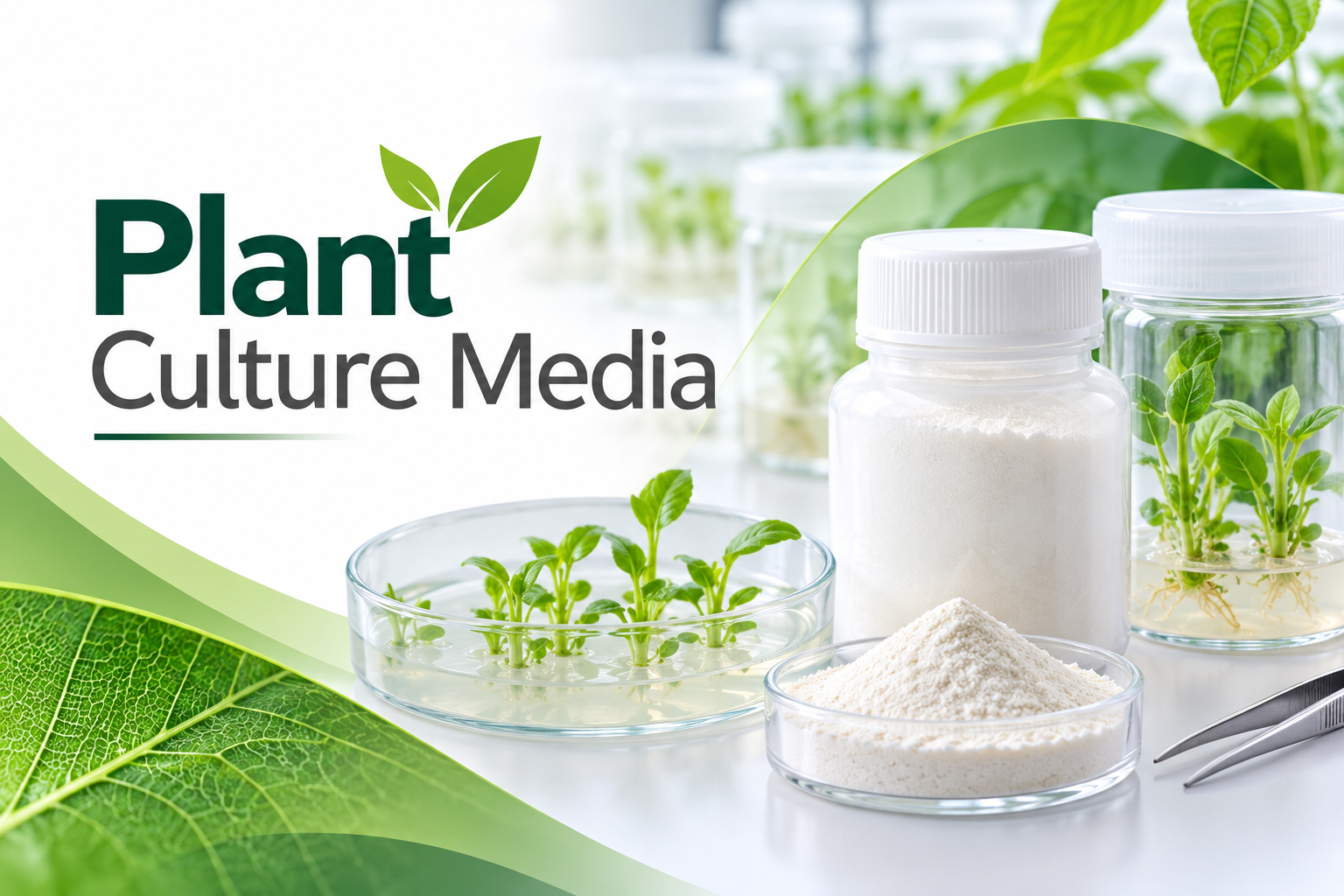
Plant Culture Media
Basal salts, MS formulations, vitamins and nutrients for in vitro plant culture.
Explore Media ↗Discover plant tissue culture media, micropropagation supplies, growth regulators and contamination control resources — organized around the way your laboratory works.

Explore essential materials used across plant tissue culture, media formulation, propagation and experimental research.
Basal salts, MS formulations, vitamins and nutrients for in vitro plant culture.
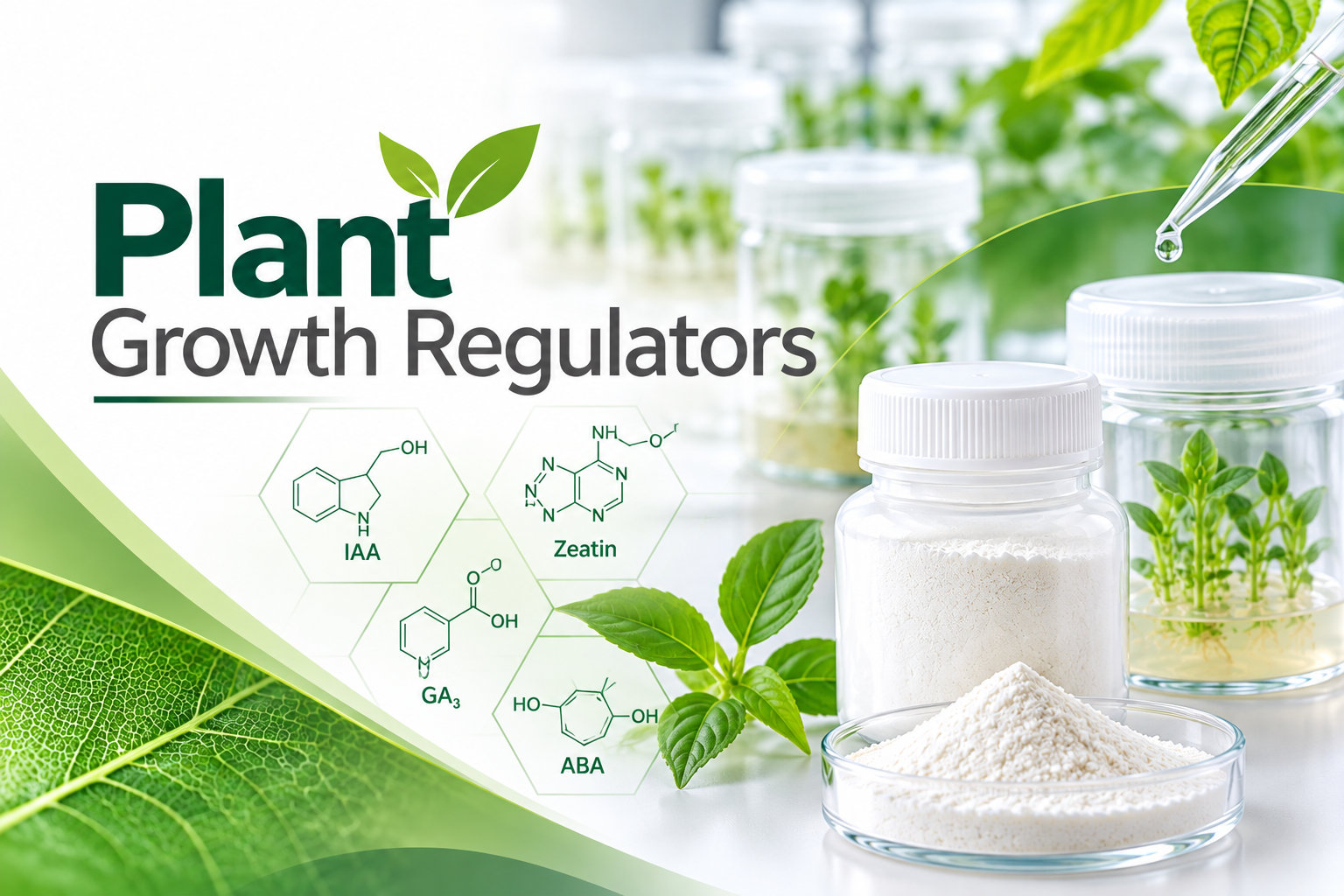
Explore Media ↗Explore auxins, cytokinins and other signaling compounds used in plant research.
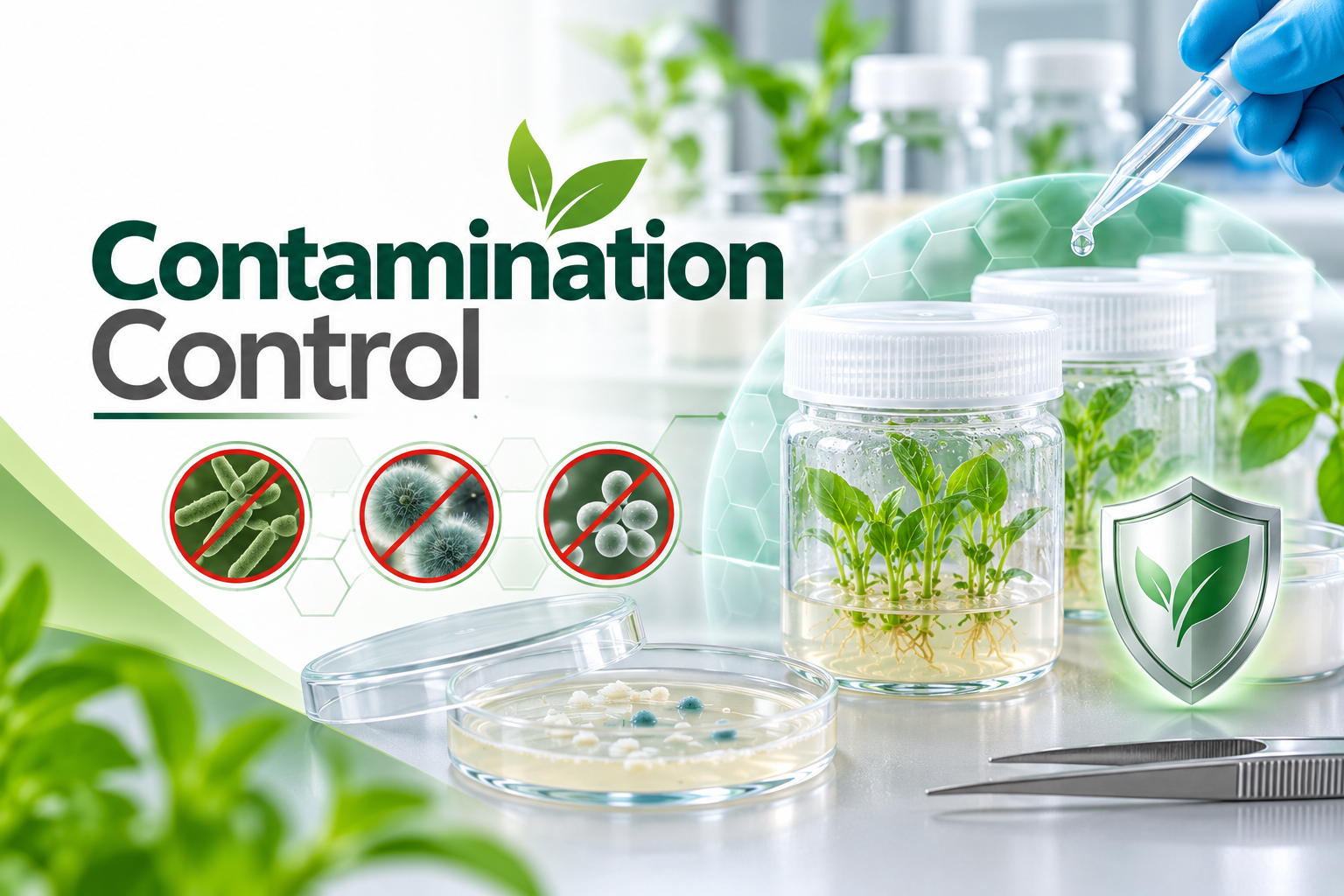
Explore Regulators ↗Resources for contamination prevention and management in plant culture workflows.
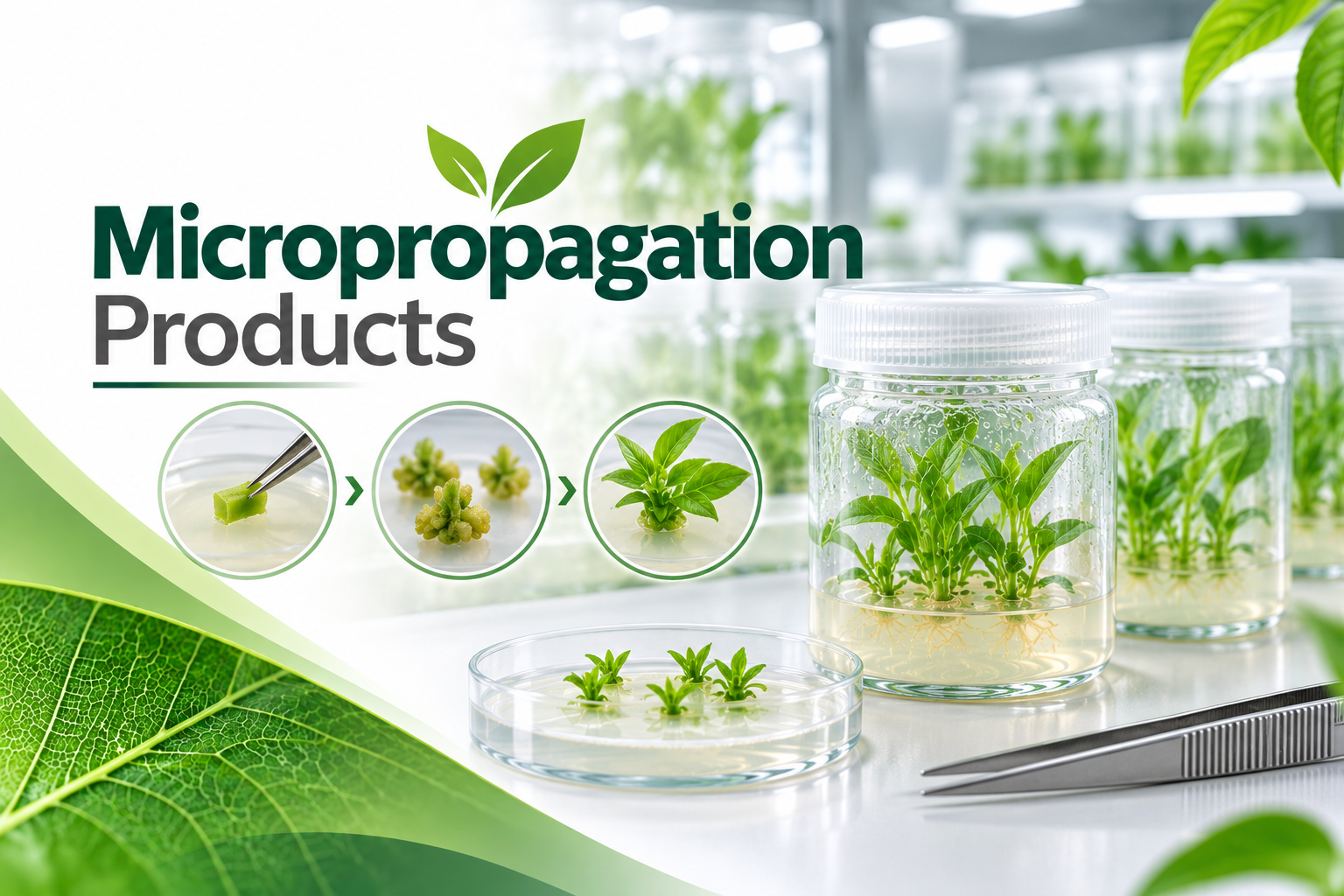
Explore Products ↗Materials and resources supporting culture initiation, multiplication and rooting.
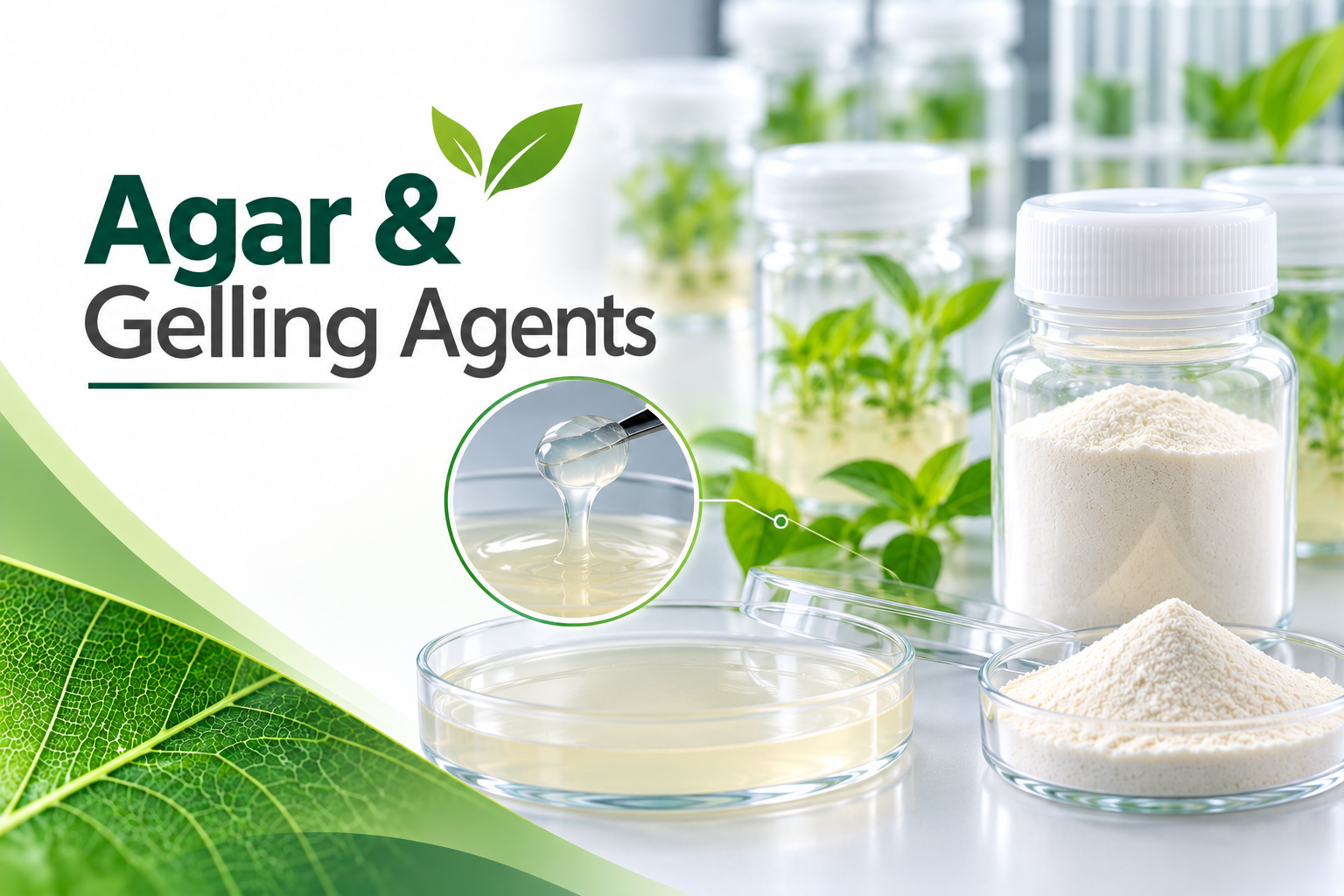
Discover Workflow ↗Explore solidifying agents and culture-medium preparation considerations.
Explore Gelling Agents ↗Research materials and educational resources for plant cell and tissue experiments.
Discover the Science ↗Plant tissue culture involves growing plant cells, tissues or organs under controlled and aseptic conditions on appropriately formulated nutrient media.
Depending on the plant species, explant, culture conditions and growth regulator balance, these techniques can support multiplication, organogenesis, somatic embryogenesis and plant regeneration.
Understand the key stages involved in propagating plants through in vitro culture.
Select appropriate plant material according to the species and research objective.
Establish the explant aseptically using a suitable nutrient medium.
Encourage shoot development using an appropriate culture formulation.
Induce or support root development where required by the propagation protocol.
Gradually adapt regenerated plantlets to ex vitro growing conditions.
The composition of a plant tissue culture medium influences growth, cellular development and regeneration. Formulations may include mineral nutrients, vitamins, carbohydrates, growth regulators and gelling agents.
Plant growth regulators influence many aspects of plant cell development, depending on species, tissue and culture conditions.
Auxins are involved in processes such as cell elongation, root initiation and aspects of callus formation.
Examples: IAA, IBA, NAA, 2,4-DCytokinins regulate cell division and can support shoot induction and multiplication in suitable culture systems.
Examples: BAP, kinetin, zeatinGibberellins participate in plant growth, developmental regulation and elongation responses.
Example: GA₃Bacterial and fungal contamination can compromise plant tissue culture experiments, reducing reproducibility and culture survival.
A robust contamination control workflow includes appropriate explant disinfection, aseptic handling, sterilized materials, monitoring and validated contamination-management methods.
Explore Contamination Control ↗Explore practical concepts, techniques and scientific foundations.
Understand MS basal salts, formulation components and applications in tissue culture.
Explore Guides ↗Learn how explant selection, culture conditions and growth regulators influence propagation.
Explore Guides ↗Review common contamination challenges and strategies for maintaining healthy cultures.
Explore Guides ↗Essential answers for researchers and laboratory professionals.
Plant tissue culture is the cultivation of plant cells, tissues or organs in controlled, aseptic conditions using an appropriate culture medium.
Murashige and Skoog (MS) medium is a widely used basal formulation that supplies mineral nutrients for numerous plant tissue culture applications.
Micropropagation is a set of in vitro techniques used to multiply plants from suitable explants under controlled culture conditions.
Contamination can arise from microorganisms associated with explants, inadequate sterilization, contaminated materials or environmental exposure during handling.
Auxins and cytokinins are groups of plant hormones with different and overlapping regulatory functions. Their effects depend on concentration, tissue, species and culture context.
Explore scientific knowledge and laboratory materials supporting plant tissue culture, regeneration and biotechnology.
Explore the Product Catalog ↗